
熊出没之夺宝熊兵
日本新财年预算显著增加,资金从何而来?_我的网站

一 |

二 | 那么,日本政府要想扩大军费、增加民生支出,该如何获取资金?是否能持续进行,将有哪些风险?

三 |
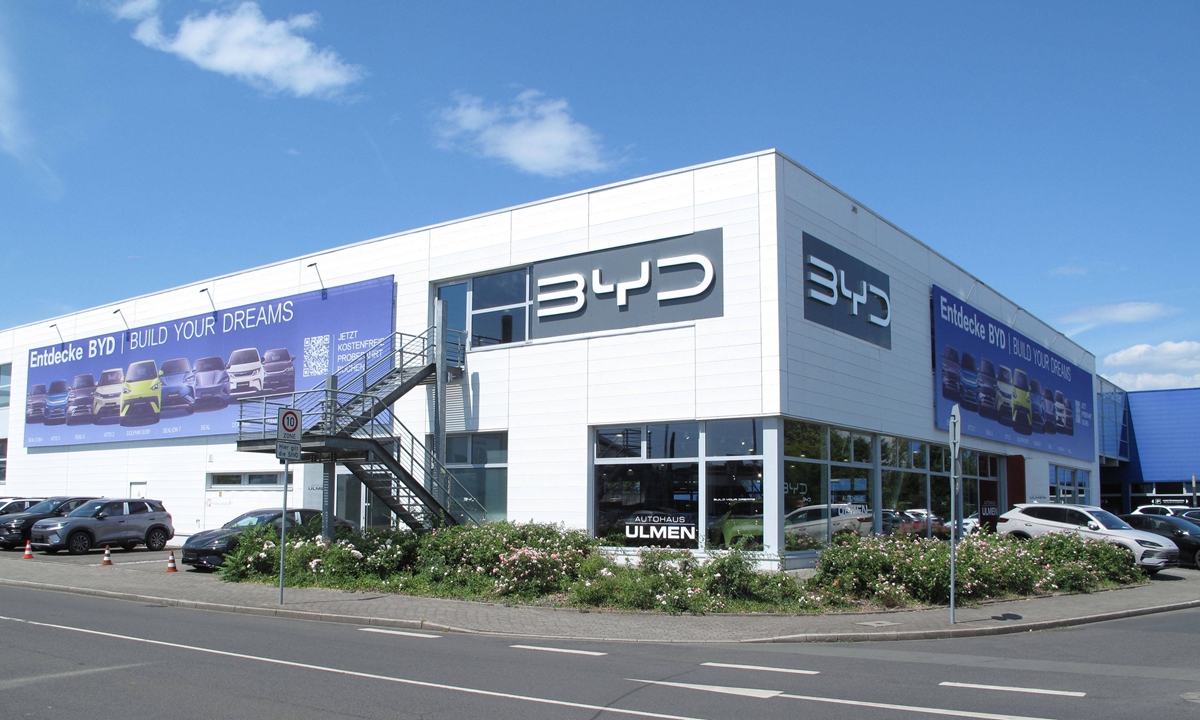
Germany's industrial woes have increasingly become a hot topic of discussion. The latest Engineer Monitor report from professional association Verein Deutscher Ingenieure and the German Economic Institute offers a new look at the issue.
The report showed that there were 58,392 unemployed individuals in the engineering and information technology (IT) professions in the fourth quarter of 2025, the highest level since the survey began in 2011.
Compared with the previous year, the number of unemployed increased by 16.7 percent, according to German media reports on Sunday.
These figures lay bare the challenges confronting the country's manufacturing sector. The reasons for the industrial woes are multiple. The soaring energy costs caused by geopolitical conflicts, the decline in exports caused by rising protectionism and low external demand, and the structural pain caused by industrial chain restructuring are all squeezing the space of German manufacturing.
Manufacturing is the backbone of Germany's economy, and engineers and IT specialists constitute the core force that sustains this pillar. For decades, the country's reputation for "Made in Germany" excellence was built on the expertise of these skilled professionals. Regardless of the macroeconomic ups and downs, preserving the stability and continuity of its industrial talent pool represents a strategic bottom line for Germany.
Should large numbers of highly skilled technical professionals leave the industry or sit idle, industrial research and development (R&D) and production cycles will be disrupted. Over the longer term, such a waste of human capital will erode Germany's industrial innovation capacity and, ultimately, undermine the foundations of its global competitiveness.
In this context, the urgent task for Germany is to create sufficient quality positions for its technical talent. Should it fail to do so in the short term, then Germany needs to embrace a more open‑minded development approach. Shoring up its manufacturing base cannot be achieved solely through protecting domestic companies; it also requires a significant expansion of effective investment to create enough high‑quality jobs that can attract and retain skilled talent.
This is exactly where China‑Germany cooperation could deliver tangible results. According to the FDI Report 2025 published by Germany Trade & Invest (GTAI), the total number of foreign investment projects in Germany fell 9.3 percent overall to 1,564 in 2025. Nonetheless, Chinese companies became the largest source of foreign investment projects in Germany in 2025, overtaking the US for the first time since 2017.
Chinese companies launched 228 investment projects in Germany in 2025, up 14.6 percent year-on-year. More than one in five Chinese investment projects involved production and R&D activities, above the overall average for foreign investment projects in Germany. This is a sign that Chinese firms are deepening their integration into the local industrial base, according to GTAI.
Observers noted the trend, pointing out that China is becoming an important force in driving German re‑industrialization. In industries where Germany urgently needs to rebuild its competitive edge, such as electric vehicles, batteries, energy technology, digital manufacturing, and automation, China is emerging as an increasingly significant complementary partner. In these critical areas that will determine industrial competitiveness in the coming decades, the relationship between China and Germany is not merely one of rivalry; there are clear and substantial complementarities. Germany still boasts world‑leading engineering expertise, precision manufacturing capabilities, and a strategic location at the heart of the European market.
China has complete and highly integrated supply chains for raw materials and intermediate goods and large capacity for increasing production. When Chinese automakers set up R&D centers in Germany, or when Chinese tech firms collaborate with German factories to build smart production lines, the beneficiaries are not only the Chinese companies but also the German engineers who would otherwise face redundancy.
Cross‑border investment cannot flourish without a sound policy environment. Chinese companies are apparently willing to develop in Germany, but it can only happen on the premise that the German side provides a fair, reasonable and predictable business environment, reduces non-market interference in commercial activities, and allows capital to operate in accordance with market rules.
If the two countries are able to reach a deeper level of cooperation in investment, many of Germany's trade‑related concerns may well find more pragmatic solutions. The deep integration of industrial value chains would facilitate two‑way trade, creating renewed momentum for German exports of machinery, vehicles, chemicals, and other competitive products to China.
。希望通过宽松的政策,加大国内投资和发展军工业的手段,把日本的潜在增长率抬上去,形成所谓先花钱,后靠经济增长把饼做大的剧本。
 中国社科院日本研究所助理研究员 孟明铭:日本政府这一套操作的本质有饮鸩止渴色彩,长期看风险很大。第一,目前高市采取的替代性裁员设想都有画饼嫌疑。据测算,相关措施只能提供一两万亿日元左右的空间,和高达10万亿的支出相比是杯水车薪。
四 | 而且日本目前的经济发展前景并不明朗,高市能不能依靠经济增长来增加收入,也要画上一个问号。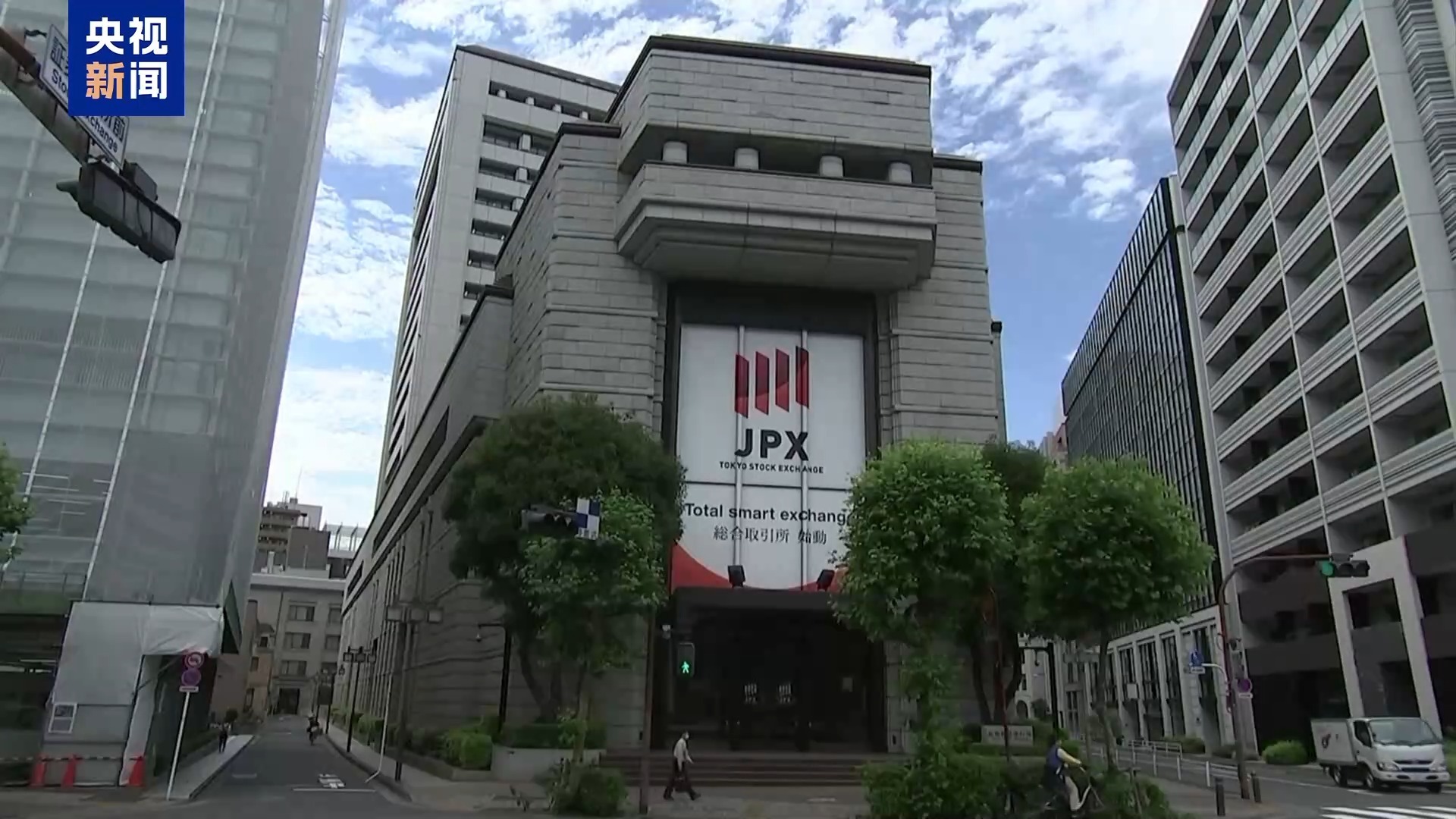 中国社科院日本研究所助理研究员 孟明铭:第二,可能进一步加剧日本的金融风险。日本目前债务余额占GDP的比重已经非常高,进一步减税和增加支出将严重影响日本政府还债能力,加剧日元的贬值压力。日元持续走弱会有推高物价、通胀等负面影响,加重日本经济出现系统性金融风险。

五 |  中国社科院日本研究所助理研究员 孟明铭:第三,涉及日本民生的裁员压力。消费税是日本的年金、医疗和介护等重要的稳定财源,缺口如不能妥善填补,可能影响相关服务的可持续性。食品消费税减税两年期满,自民党为了保住政权,很可能不敢再提增税,两年可能就会变成永久减收。由此社会保障最稳定的一块税基就被挖空了,进一步恶化日本民众的生活环境。
 中国社科院日本研究所助理研究员 孟明铭:高市政府现在最在意的不是长期风险,而是接下来2027年9月前后的自民党总裁选和2028年夏季的参院选。近期多份民调显示,高市内阁的支持率明显下滑,所以她迫切需要通过减税来拉回中间选民,通过扩军支出取悦国内的右翼保守势力这一基本盘,稳住支持率,渡过总裁选和参议院选,把首相的板凳坐稳,把风险留给日本的未来。倘若风险快要爆雷,那么顺滑下台走人也不失是一个办法。这进一步暴露以高市为首的日本右翼势力执迷于整军扩武、推动新军国主义,为满足政治私利,不惜损害日本民生和未来的真实面目。

六 |

七 |
Current article:http://vq9.cesangrangshunzashuangruijiu.pics/mg4fexm/olnf8.html
Published on:15:36:32